Waste transfer notes and permits for Hounslow rubbish firms
Posted on 21/10/2026
Waste transfer notes and permits for Hounslow rubbish firms: a practical guide for staying compliant
If you arrange rubbish removal in Hounslow, the paperwork matters more than most people realise. Waste transfer notes and permits for Hounslow rubbish firms are not just admin in a folder somewhere; they are part of how a job is traced, checked, and carried out properly. Miss the basics and you can end up with a messy handover, a compliance headache, or a customer who suddenly starts asking very sensible questions.
This guide breaks the topic down in plain English. You will see what a waste transfer note actually does, when permits may be needed, how compliant firms keep records, and what customers should look for before booking. Along the way, we'll keep it local to Hounslow and realistic, because let's face it, rubbish jobs rarely happen in perfect conditions. It might be a third-floor flat off a busy road, a builder's skip on a tight drive, or a full house clearance where everything needs documenting properly.
For related reading on local service standards and how firms present themselves, you may also find waste carrier licence and compliance useful, along with the broader services overview if you want to see how different collection types are handled.
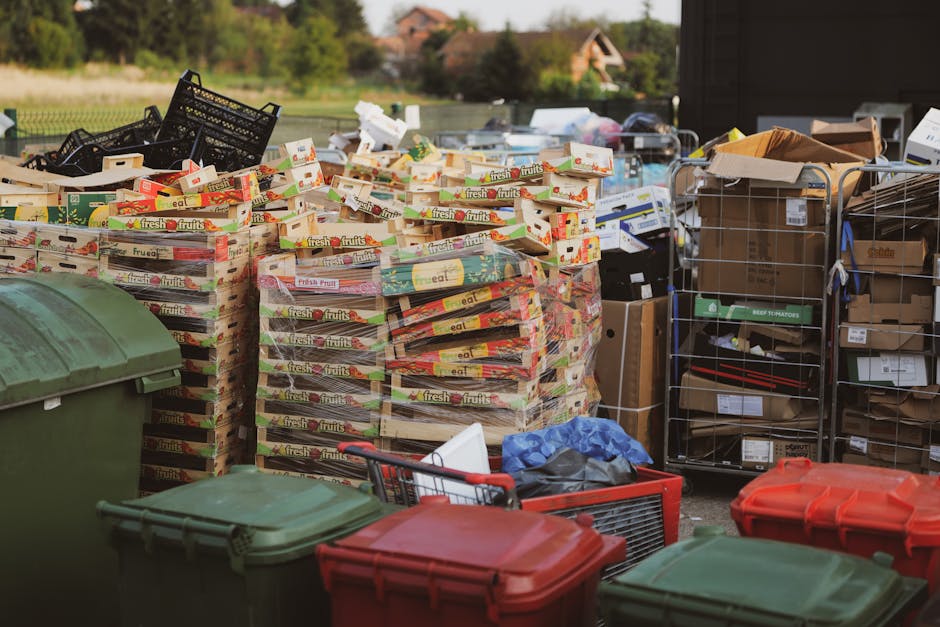
Why Waste transfer notes and permits for Hounslow rubbish firms Matters
Waste paperwork is one of those things people ignore until something goes wrong. A waste transfer note, often shortened to WTN, is the record that shows waste has been handed over from one party to another. It helps prove that the waste went from the right source to the right carrier, and that everyone involved understood what was being moved.
For Hounslow rubbish firms, this matters because the area sees a mix of homes, shops, offices, building work, and busy roadside collections. Different waste streams need different handling. A simple sofa removal is not the same as builders' rubble, and an office clearance is not the same as garden waste. That sounds obvious, but in day-to-day work the lines can blur quickly, especially when a customer says, "Just take everything."
Permits matter too, though people often mean different things when they say "permit". Sometimes they mean a licence or permission to place a skip on the road. Sometimes they mean site access approval or parking permissions for a collection vehicle. Sometimes they are just asking whether a business is legally allowed to carry waste at all. Truth be told, those are separate issues, and confusing them can lead to delays or fines.
In practical terms, good paperwork protects three sides:
- The customer, who wants lawful disposal and a clear record.
- The rubbish firm, which needs to show proper transfer and traceability.
- The environment and local area, because traceable waste is less likely to be dumped or mishandled.
If you want a broader context on local waste habits and sustainability, the article on London's zero-waste direction adds a useful bigger-picture lens without getting too abstract.
Expert summary: If a rubbish firm cannot explain how it records waste transfer, what paperwork it keeps, and whether it has the right permissions for the job, that is a warning sign. Not always a deal-breaker, but definitely worth a pause.
How Waste transfer notes and permits for Hounslow rubbish firms Works
At a basic level, waste transfer follows a chain: the waste is produced, handed to a carrier, transported, and delivered to a lawful destination. The paperwork sits alongside that chain and makes it auditable. It is not glamorous, but it is the bit that keeps everything tidy when someone needs proof later on.
A typical waste transfer note records the date of transfer, details of the waste, the quantity, how it is contained, the names and addresses of the parties involved, and any relevant waste classification details. The exact format can vary, but the purpose is the same: to show what was transferred and by whom. If a firm is dealing with repeated transfers of the same kind of waste, it may use an annual or season-ticket style arrangement where permitted under the relevant practice. That is the sort of thing experienced operators understand, and casual operators often don't.
Permits, on the other hand, are more situational. A Hounslow rubbish firm may need:
- Waste carrier registration to transport waste legally.
- Skip placement permission if a skip will sit on a public highway.
- Parking or access arrangements for a vehicle in tight streets, estates, or loading bays.
- Site-specific approval from a landlord, managing agent, or business premises.
The practical flow usually looks like this:
- The firm identifies the waste type and the collection setup.
- The customer confirms what is included and what is not.
- The firm decides whether paperwork, access arrangements, or placement permissions are needed.
- The collection happens, with the transfer record prepared or retained.
- The waste is taken to an appropriate facility, and the record is stored.
That sounds straightforward on paper. In reality, a job can change fast. A loft clearance can turn into mixed waste, or a builder's load can include plasterboard, timber, and a surprise fridge that someone left behind. A decent firm will pause, classify properly, and keep the record accurate rather than making guesses. That's the difference between robust process and "we'll sort it later", which is never a phrase you want to hear about compliance.
For a sense of the job types that often trigger better documentation, see the practical pages on builders waste disposal in Hounslow, office clearance, and house clearance.
Key Benefits and Practical Advantages
Most people think compliance is about avoiding trouble. That is part of it, yes. But good waste transfer notes and permit handling also create real operational benefits. You feel the difference on busy jobs, especially when multiple people are involved and nobody wants to stand around guessing who approved what.
- Clear responsibility - everyone knows where the waste came from and who handled it.
- Fewer disputes - if there is a question later, there is an actual record to refer to.
- Smoother scheduling - permits and access issues are addressed before the vehicle arrives.
- Better customer trust - people are more comfortable booking a firm that sounds organised.
- Reduced legal risk - traceability matters if waste is fly-tipped, mishandled, or audited.
There is also a commercial upside. Firms that manage paperwork properly tend to waste less time. They do fewer return visits, avoid last-minute access problems, and build a steadier reputation. Customers may not mention "well kept transfer documentation" in a review, but they do notice when a collection feels calm, efficient, and properly handled.
If you are comparing service quality, the pricing and quotes page can help frame what a professional, transparent service typically looks like, while insurance and safety gives another useful trust signal beyond paperwork alone.
Small detail, big difference.
Who This Is For and When It Makes Sense
This topic matters to a few different audiences, and each one comes at it from a slightly different angle.
Homeowners and renters
If you are clearing a flat, garage, shed, loft, or old furniture, you probably just want the job done without hassle. But if a firm is collecting on your behalf, it should still be able to explain how waste is documented and where it will go. That matters even for domestic jobs, especially if there is mixed rubbish, electrical waste, or a tricky access point.
Landlords and letting agents
When a tenancy ends, waste can appear from nowhere. Well, not nowhere exactly, but it can certainly feel like it. Leftover furniture, bags of clothes, broken white goods, and random odds and ends all need to be managed carefully. Good paperwork helps when you need a record that the property was cleared responsibly.
Builders and trades
Construction and refurbishment work can produce mixed loads very quickly. Builders' waste is one of the clearest examples of why transfer notes matter, because the waste type changes from job to job and the site can shift from one address to another. If your team is working across Hounslow, you want a carrier who handles documentation without making your foreman chase for it three days later.
Office managers and business owners
Office clearances, refurbishments, and periodic commercial collections often involve internal approvals, building rules, and stricter record keeping. If you are in this group, you should think of transfer notes and permits as part of your operational housekeeping, not a side issue.
Rubbish firms themselves
For operators, this is the backbone of professionalism. A firm that handles WTN records neatly, understands when permits are needed, and communicates clearly will usually run a cleaner business overall. That is especially true in Hounslow, where streets can be busy and access can change depending on the time of day.
To see the kind of local service environments where this becomes important, the articles on difficult access rubbish jobs in Hounslow flats and estates and booking mistakes to avoid are worth a look.
Step-by-Step Guidance
If you are arranging a collection or reviewing a rubbish firm, use this straightforward process. It keeps the job calm and avoids those awkward "oh, we didn't think of that" moments.
- Identify the waste type. Is it domestic rubbish, commercial waste, builders' debris, furniture, appliances, green waste, or a mix?
- Check who is responsible for the transfer note. In many jobs, the carrier prepares or retains the WTN, but the customer should still know that one exists.
- Ask how the waste will be classified. You do not need to become an expert, but you should know whether anything special applies.
- Confirm access and parking. If the vehicle needs a bay, loading space, or a skip permit, this should be sorted early.
- Clarify exclusions. Some items may need specialist handling. Electricals, hazardous materials, and certain construction waste can change the plan.
- Get the paperwork agreed before collection day. Don't leave this to the kerbside. A rainy Tuesday morning is not the best time for admin.
- Keep records after the job. A firm should store the documents for the required period; the customer should keep any relevant copy or invoice.
One practical tip: if a collection involves several waste streams, ask the firm how it separates them. Mixed waste is common, but it should not become mixed-up waste. Different materials can require different treatment, and that can affect paperwork, disposal route, and cost.
If you are booking a broader service package, pages such as rubbish collection in Hounslow and waste disposal in Hounslow give a better sense of what kinds of jobs typically sit within a compliant collection process.
Expert Tips for Better Results
After enough real-world collections, a pattern becomes obvious: the jobs that go smoothly are the ones where details were checked early. Not glamorous advice, but very true.
- Describe the waste honestly. If you say "just general rubbish" but there is a sofa, an extractor fan, and broken tiles in the pile, the paperwork and pricing may need to change.
- Photograph awkward loads. A quick photo helps a firm estimate the correct setup and avoid surprises on site.
- Ask about permits before booking the time slot. If a skip or vehicle needs placement permission, the timing can matter.
- Separate reusable items where possible. This can make the collection more efficient and often easier to document.
- Keep the paperwork with the booking reference. If somebody asks later, you will not be rummaging through emails at 9:40pm, which is never ideal.
One less obvious tip: for repeated commercial collections, create a simple internal checklist for reception staff, site managers, or office admins. It does not need to be fancy. A single page with waste type, access notes, permit requirements, and sign-off names can save a lot of back-and-forth. Honestly, it's one of those boring bits that pays off fast.
If your team is trying to improve wider waste handling rather than one-off clearances, the page on recycling and sustainability is a sensible companion read.
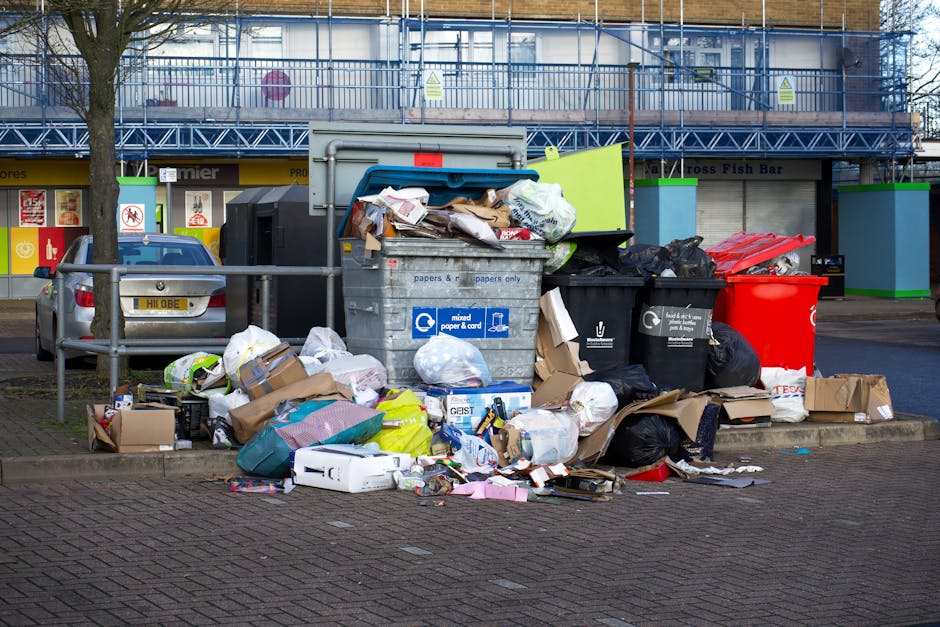
Common Mistakes to Avoid
Most compliance problems start with small assumptions. Someone assumes the firm has it covered, or assumes a skip can sit anywhere, or assumes all paperwork is "basically the same". Then the job gets awkward.
- Assuming a receipt is the same as a transfer note. It is not. A receipt may show payment, but it does not always show proper waste transfer details.
- Ignoring access issues. A van that cannot stop legally or a skip that needs permission can derail the day.
- Not asking what happens to the waste. A compliant firm should be able to explain the process in plain English.
- Mixing special waste with general waste. This can create handling and record-keeping complications.
- Leaving paperwork until the end. That's when mistakes creep in.
- Using a firm that cannot explain its carrier status or record keeping. If the answer is vague, keep asking.
A quick real-world example: someone clears a rental flat near a busy Hounslow road and leaves a pile of old furniture, a broken microwave, and paint tins by the entrance. On collection day, the carrier arrives, sees the mix, and suddenly the job needs more careful classification than anyone expected. If the firm has planned well, this is manageable. If not, it becomes a stressful conversation in the rain. Nobody wants that.
For more on avoiding nasty surprises, see how to avoid hidden rubbish removal charges in Hounslow.
Tools, Resources and Recommendations
You do not need complicated software to manage waste transfer notes well. In many cases, a tidy internal process is more valuable than any flashy tool. Still, a few practical resources make life easier.
- Booking form or intake sheet - captures waste type, access details, and permit needs upfront.
- Job photo log - useful for mixed loads, awkward access, or before-and-after proof.
- Digital record storage - even a simple folder system keeps WTNs easy to retrieve.
- Site access notes - especially helpful for blocks, estates, and commercial premises.
- Customer confirmation message - sets expectations about what is included and what needs separate handling.
For Hounslow-specific service planning, useful companion pages include commercial waste removal in Hounslow, domestic waste collection, and white goods and appliance disposal. Those pages help you understand how a firm may split different job types into separate operational tracks.
If you are deciding whether a provider feels established and trustworthy, a quick read of about us can also help you judge tone, transparency, and the overall feel of the business. Small things matter.
Law, Compliance, Standards, or Best Practice
This is the careful bit. Waste handling in the UK sits within a regulated framework, and responsibility can sit with more than one party depending on the situation. A rubbish firm should know its obligations around waste carriage, record keeping, transfer documentation, and lawful disposal routes. Customers should not have to become lawyers, but they do need enough awareness to ask sensible questions.
Best practice generally means:
- keeping accurate transfer records;
- making sure the carrier is properly authorised to move waste;
- checking whether any site, highway, or parking permission is needed;
- avoiding unclassified or vague descriptions of the waste;
- retaining records for the relevant period under the applicable rules and business procedures.
In ordinary language, this means a firm should be able to prove who gave the waste, who took it, and that it was handled responsibly. If the company works with commercial customers, that paper trail becomes even more important. It helps with audits, client queries, and internal controls. And if a job involves a skip or a vehicle in a restricted spot, permissions need checking before the crew arrives. A polite phone call after the lorry is already parked is not really a plan.
Because the subject is linked to both legal and practical risk, it is worth checking related trust pages like terms and conditions, payment and security, and privacy policy. These do not replace compliance checks, but they help you understand how the business operates.
One last point: don't confuse "best practice" with unnecessary paperwork. Good compliance should make the job clearer, not heavier. If a process feels confusing, it probably needs simplifying.
Options, Methods, or Comparison Table
Not every job needs the same level of admin. The right method depends on the waste type, site conditions, and whether the collection is one-off or repeated. Here is a simple comparison to make that easier to picture.
| Collection method | Typical paperwork need | Permit pressure | Best for |
|---|---|---|---|
| Man and van rubbish collection | Usually a transfer record for the load | Low to moderate, depending on parking and access | Small to medium domestic or mixed clearances |
| Commercial waste removal | More structured records and repeat documentation | Moderate, especially for loading bays or business sites | Offices, shops, managed premises |
| Builders' waste collection | Clear waste description is important | Often higher if skips or restricted access are involved | Refurbs, strip-outs, construction debris |
| Skip hire | Transfer record plus placement arrangements | Can be significant if the skip sits on public land | Longer jobs with ongoing waste generation |
| Specialist item disposal | May need clearer item-level description | Usually lower, but handling rules can be stricter | Appliances, furniture, certain bulky items |
If you are weighing up which route is most sensible for a job, think about volume first, then access, then waste type. People often do it the other way round and get stuck. Volume first. Access second. Type third. That order tends to save headaches.
Case Study or Real-World Example
Here's a simple local-style example. A small business in Hounslow is clearing out an office after a move. The job includes desks, chairs, filing cabinets, boxed paper waste, and a few electrical items. The building has a narrow service entrance and limited stopping time on the road outside.
The first thing the firm does is clarify the load. Not everything is just "office junk"; some of it is reusable furniture, some is recyclable card and paper, and some items need separate handling. The crew also checks whether parking or access arrangements are needed for the collection vehicle. Because the site is tight, they plan the timing carefully and confirm the pickup window with the building contact.
On the day, the team arrives with the job already mapped out. The transfer note reflects the waste type and collection details, the site contact signs off what is being removed, and the load is kept tidy rather than rushed. Nothing fancy. Just organised.
What made the job successful was not luck. It was the boring little details: accurate descriptions, access notes, and the right permit thinking before the van turned up. That is exactly how you avoid a "this should have been simple" afternoon.
This kind of job sits somewhere between commercial and mixed clearance work, so the services pages on office clearance and waste clearance are useful examples of how a structured service can be presented.
Practical Checklist
Use this quick checklist before you book or before a rubbish firm arrives on site.
- Have you clearly described the waste type?
- Do you know whether the collection needs a waste transfer note?
- Has the firm explained how records are kept?
- Are there any special items that need separate handling?
- Do you need a skip permit, parking permission, or site access approval?
- Has the booking time been matched to access restrictions or loading rules?
- Are photographs or a short inventory useful for the job?
- Have you checked the firm's carrier and compliance information?
- Do the terms, pricing, and payment process make sense?
- Have you saved a copy of all relevant job details?
That list is deliberately simple, because simple is what gets used. A five-minute check now can save a very annoying conversation later.
Conclusion
Waste transfer notes and permits for Hounslow rubbish firms may sound like back-office detail, but they are really about trust, traceability, and smoother service. Once you understand the basics, it becomes much easier to spot a well-run operator and avoid the one that just wants to drag a bin bag into the van and hope for the best.
For customers, the main thing is to ask sensible questions and keep the job description honest. For firms, the priority is clear records, the right permissions, and a process that works under real-world pressure, not just in theory. That's the standard worth aiming for.
Get a free quote today and see how much you can save.
If you want to keep building your understanding of how rubbish services operate across the borough, the articles on Hounslow council rules on garden waste and rubbish and the Hounslow High Street rubbish collection guide are practical next reads.
And honestly, once the paperwork is clear, the whole job feels lighter. A bit of order goes a long way.


 Tipper Van - Rubbish Clearance and Waste Disposal Prices in Hounslow, TW3
 Luton Van - Rubbish Clearance and Waste Disposal Prices in Hounslow, TW3